Brain Rot, and the Book I Could Not Put Down
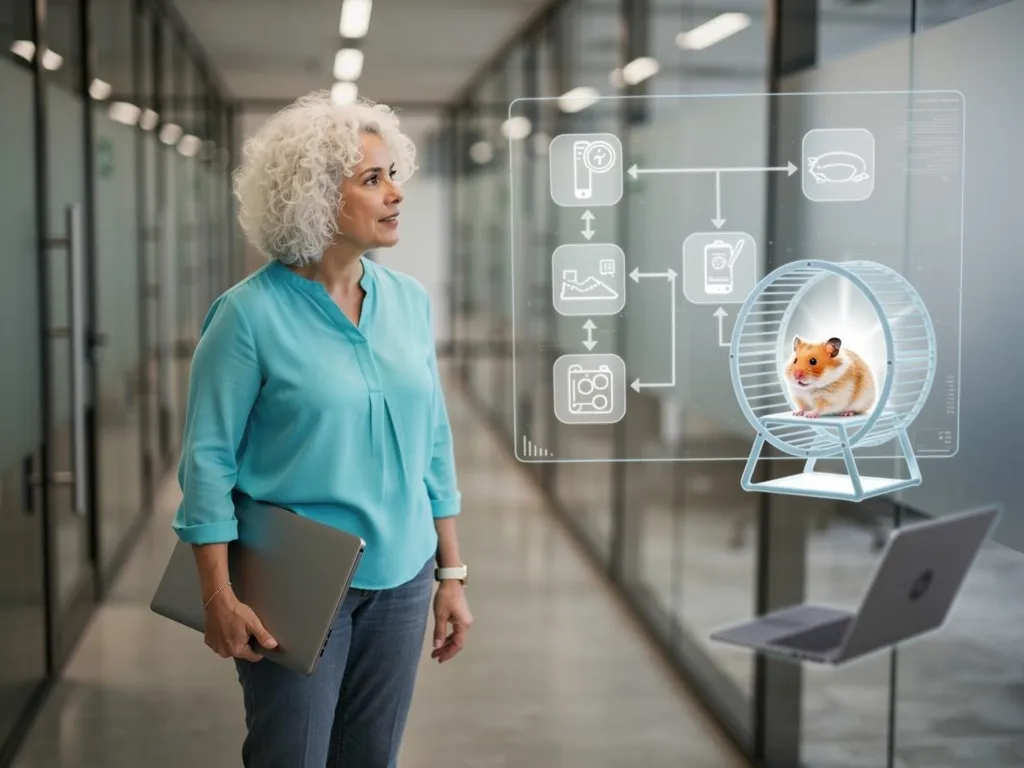
My nephew has been explaining brain rot to me for a few years. I sort of got it. I nodded in the right places. But it did not actually land until today, watching him completely absorbed in his phone.
My first instinct was the one everybody has. What is wrong with kids today?
Then a second thought caught up with the first. That is exactly what I did with a book.
I was the kid who disappeared into a book so completely that the world could have exploded around me and I would not have noticed. I was not in the room. I was in different lands, living other people's lives. Nobody called it brain rot. Most adults did not think to ask what I was reading, or what was happening in there, or why I could not hear them calling me for dinner.
So today I stopped and asked him. YouTube, Minecraft, whatever he was in the middle of. And he told me. He shared the stories, the worlds he was building, what he was figuring out. The same kind of experience I had at his age, that almost no one thought to ask me about.
Will computers make us stupid?
I get asked some version of this a lot, given what I do for a living. I can only answer for myself. I am continually mentally challenged by computers, in exactly the way my books challenged me. They stretch what I think is possible. They make me work.
Here is a small example. I am technical, but I am not an operations person. This past weekend I set up single sign-on, with help from my AI friends. I would never have attempted it without them. Not because I could not read the documentation, but because I would not have had the confidence to start. That is a fraction of what I have learned this way in the last couple of years.
And for anyone who bought the promise that these tools would reduce your working time, I have to laugh. I spend more time working now than I did before. The difference is that I am working on things I could not have touched before.
Watching my nieces and nephews do things in ways I never would have thought of keeps me curious, and curiosity is the opposite of rot.
About that trend back to the little house
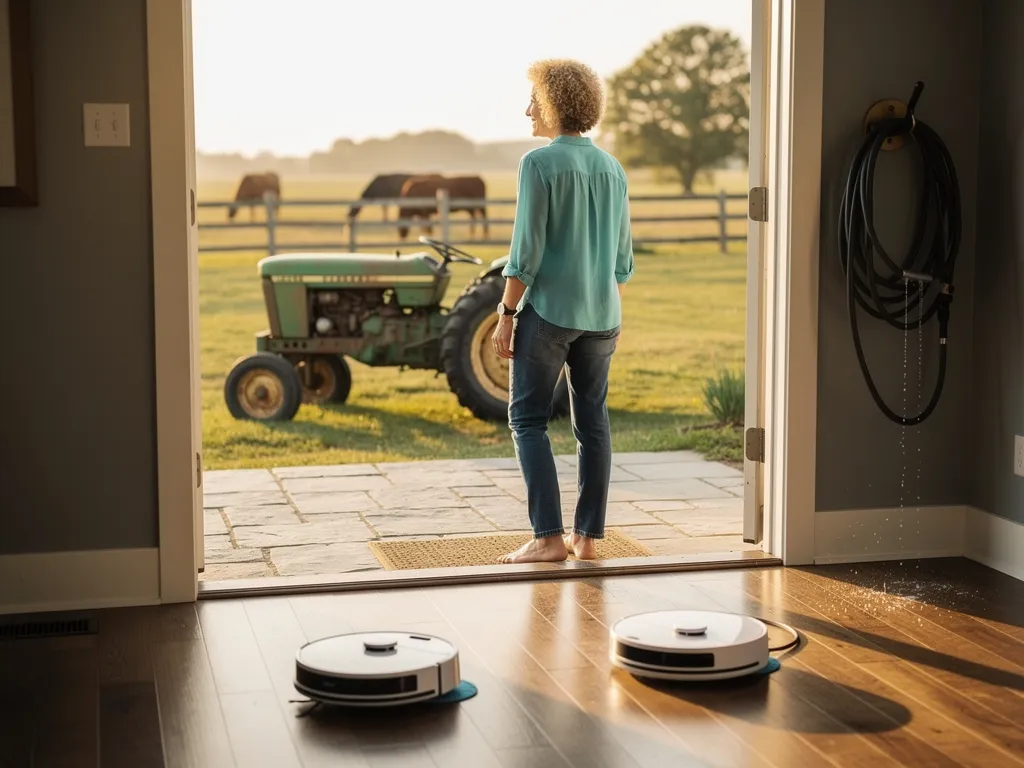
The nostalgia for simpler times makes me laugh, and I say that as someone who loves that show. I am fine sticking my head under a hose and calling it a shower. I have done it. But I know I experienced it. I lived on the farm. I drove the tractor. I chased the cows. To this day I find driving a tractor calming.
That does not mean I want to go back. I would still love a robot to vacuum and mop. If anyone has a robot duster, send it my way.
The point is not that the old way was better or the new way is worse. The point is that a kid lost in a screen and a kid lost in a book may be doing the same thing. The difference is whether anyone bothers to ask what they found in there.
The key is confidence
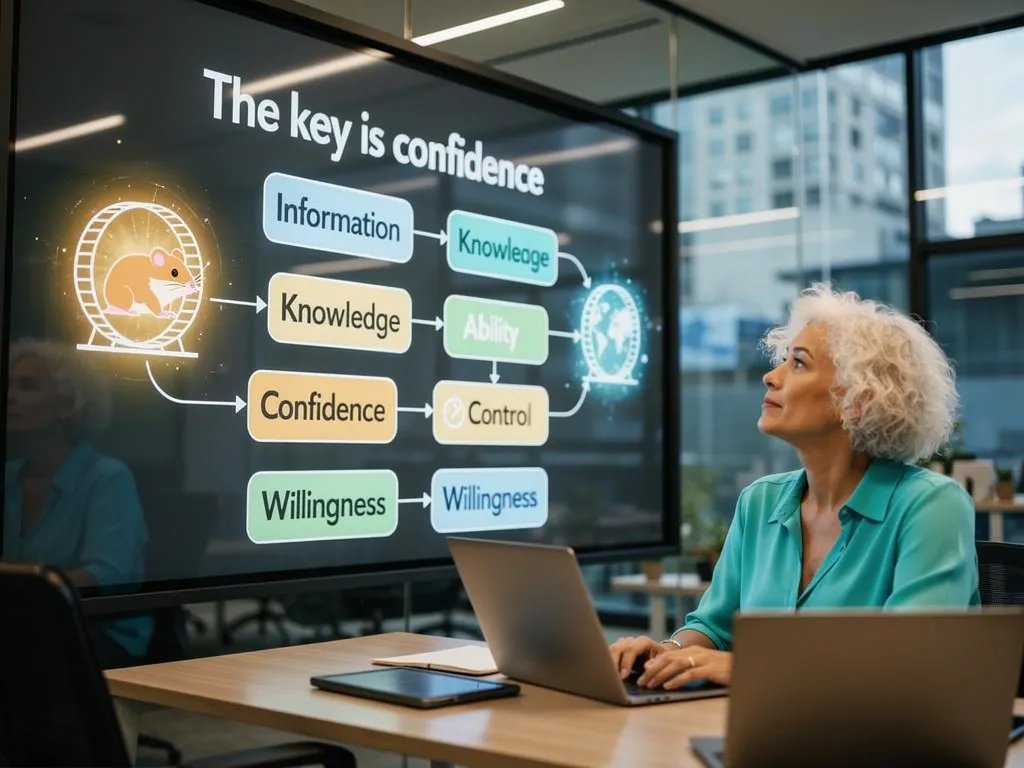
That SSO weekend taught me something about where people actually get stuck. I had the information. I could find the knowledge. What I did not have, until I had someone to work through it with, was the confidence to begin.
Think of it as a chain. Information. Knowledge. Ability. Confidence. Control. Willingness. Every person facing something new is standing somewhere on that chain, and most of them are not stuck at the beginning. They have read the memo. They sat through the training. They are stuck somewhere past knowledge and short of willingness, and nobody has asked them which link is the problem.
So ask yourself. Where are you? Which one is challenging you right now? And how are you going to work past it?
Then ask the harder question, the one for those of us who do this for a living. As change agents, how are we using these new tools to meet people at the link where they are actually stuck? The tools that got me through SSO did not hand me information. I had plenty. They sat with me through the part where confidence turns into ability, one step at a time, without judgment and without a deadline. That is precisely what most change efforts fail to provide. If we are not using these techniques to close that gap for the people we are asking to change, we are leaving the most powerful part of them on the table.
My nephew does not need more information about Minecraft. He needs someone to ask what he built. The people we are asking to change are no different.